
Calamus WeavR
The content is generated. The weave is not.
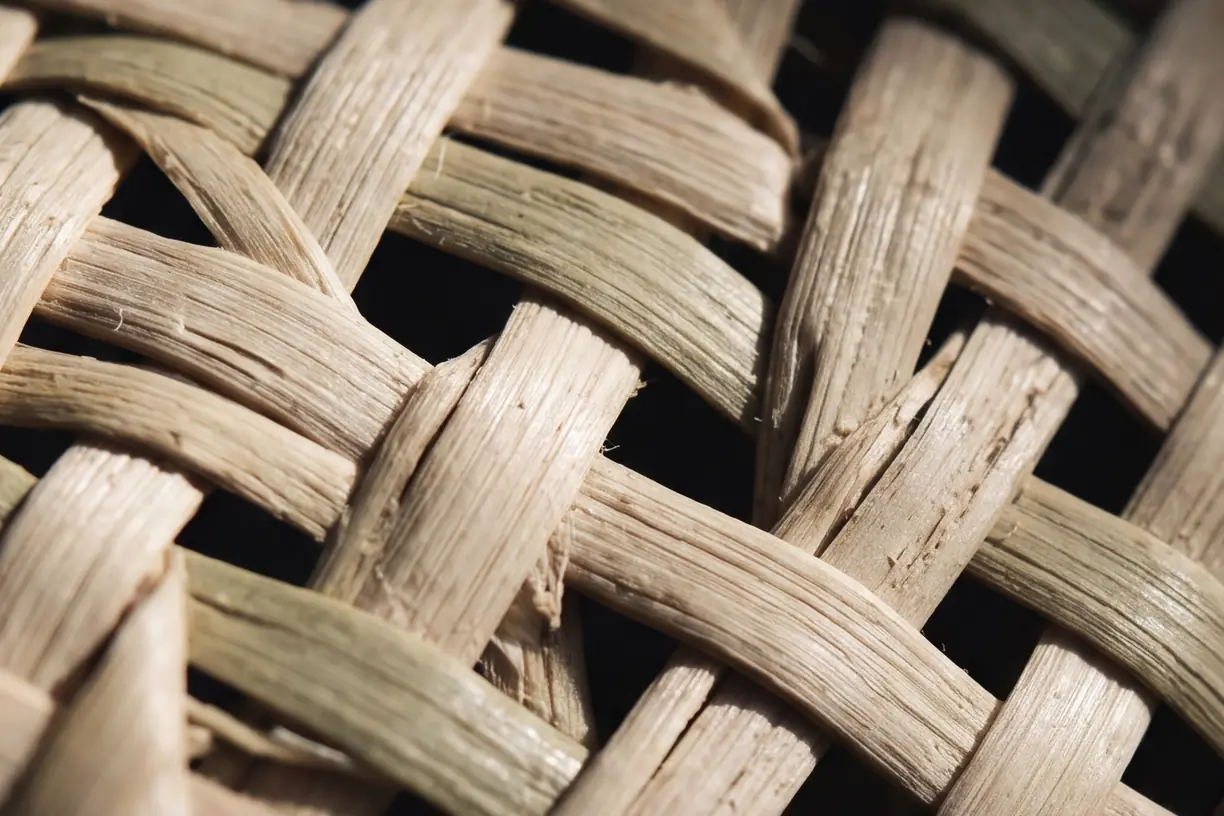
WeavR plans, generates, checks and schedules brand content across seven platforms and the Shopify blog. Product pixels come from catalogue photography rather than a model’s idea of cane — on a handmade piece the weave is the product. Nothing reaches an audience that a person did not approve.
Running internally. Not open to anyone outside EarthNWe yet.
The system
14 / 17 built
Seventeen engines, five layers. What each one is and does stays internal.
By the numbers
- 17
- Engines
- 7
- Platforms
- 2
- Approval lanes
- 0
- Unapproved posts
Facts about how it is built. Nothing has published yet, so there are no results to quote.
One master, seven surfaces
2 lanes · 1 decision
One approved master becomes the ratio each surface needs. Every rendition is a deterministic derivative of something a person signed off.
The pipeline
What happens to one post.
Twenty-five statuses and thirty-three legal transitions, enforced by a database trigger, not by convention. An engine cannot force a status, so nothing moves off the path below.
- PlannedHuman approves
- BriefedSnapshot pinned
- GeneratedPhoto-grounded
- CheckedScored against the product
- ApprovedTelegram or NotionWaits for you
- PublishedNot open yet
- 01
Planned
Trend signals and prior visual research feed a plan. A person approves the plan itself before a single brief is written.
- 02
Briefed
The brief pins a brand snapshot, prompt versions and seed, so any output can be reproduced later from the same inputs.
- 03
Generated
Generation is conditioned on the catalogue photograph. A product-visible brief without a base photo is rejected by the schema, not by a reviewer.
- 04
Checked
Automated checks score the weave against a rubric and measure it structurally against the real product before a person sees it. Below the floor it stops, and a weave failure never auto-retries: retrying spends money reproducing the same mistake.
- 05
Approved
The deliberate stop. A person decides in Telegram or Notion and the first decision wins; the other surface reconciles. No decision six hours before the slot and the piece expires into a digest.
- 06
Published and verified
Scheduled, posted, then checked again forty-five minutes later with the permalink stored. Anything that needs pulling goes through a correction path, not a delete.
Five layers, seventeen engines.
Engines are stateless, and every one reads a pinned brand snapshot instead of the latest commit, so an output is reproducible from its inputs months later.
Grounding
Photography is processed once into the references every later stage is measured against. Alongside it, a library of visual research that must clear a threshold before it can influence a plan.
Orchestration
Where a plan becomes briefs, briefs become pieces, and pieces become the variants and copy each surface needs. Every stage reads the same pinned snapshot, so two runs a month apart are comparable.
Quality and approval
Automated checks score a piece against the real product before a person ever sees it. Approval then runs on two surfaces at once — a fast lane and an audit lane — over one shared decision, and the first decision wins.
Publishing and integrity
Scheduling, verification that what went out is what was approved, and a path that watches the response afterwards. Correction and takedown exist because published is not the same as finished.
Learning
Specified and deliberately not built. They read metrics that do not exist until the system has published.
Powered by
No single vendor holds the pipeline.
Orchestration, reasoning and record-keeping are deliberately separate. Any one of them can be swapped without rewriting the others.
- n8nOrchestration
Runs the schedules and the hand-offs between stages. When a piece stalls, the order of work is something you can open and read.
- ClaudeReasoning and copy
Reads the research, drafts the captions and the long-form, and scores a draft against the brand’s rubric before a person sees it.
- SupabaseSystem of record
Holds every piece and every decision. The rules about what may follow what live in the database itself, so no service can skip a step.
- GCPCompute and storage
Each stage runs as its own isolated job. Generated assets and backups sit in versioned storage, so an old run can still be reproduced.
- TelegramApproval, fast lane
A preview and two buttons. Most approvals happen here, because the decision takes seconds on a phone.
- NotionApproval, audit lane
The same decisions with reason codes and a calendar attached. Both lanes write to one shared decision, and the first one wins.
- ShopifyBlog publishing
Long-form publishes into the same storefront the products sell from.
Not open yet.
WeavR runs EarthNWe’s own channels before it runs anyone else’s, the same order OpsN and LeadX were built in. If you want to hear when it opens, or to talk about grounding generated imagery in a real product, we are happy to.